

- Your cart is empty
- Continue shopping
Dehydration During Pregnancy and Breastfeeding
-
webmaster
- Posted on
- Categories:Minerals & Hydration
- 0 comments
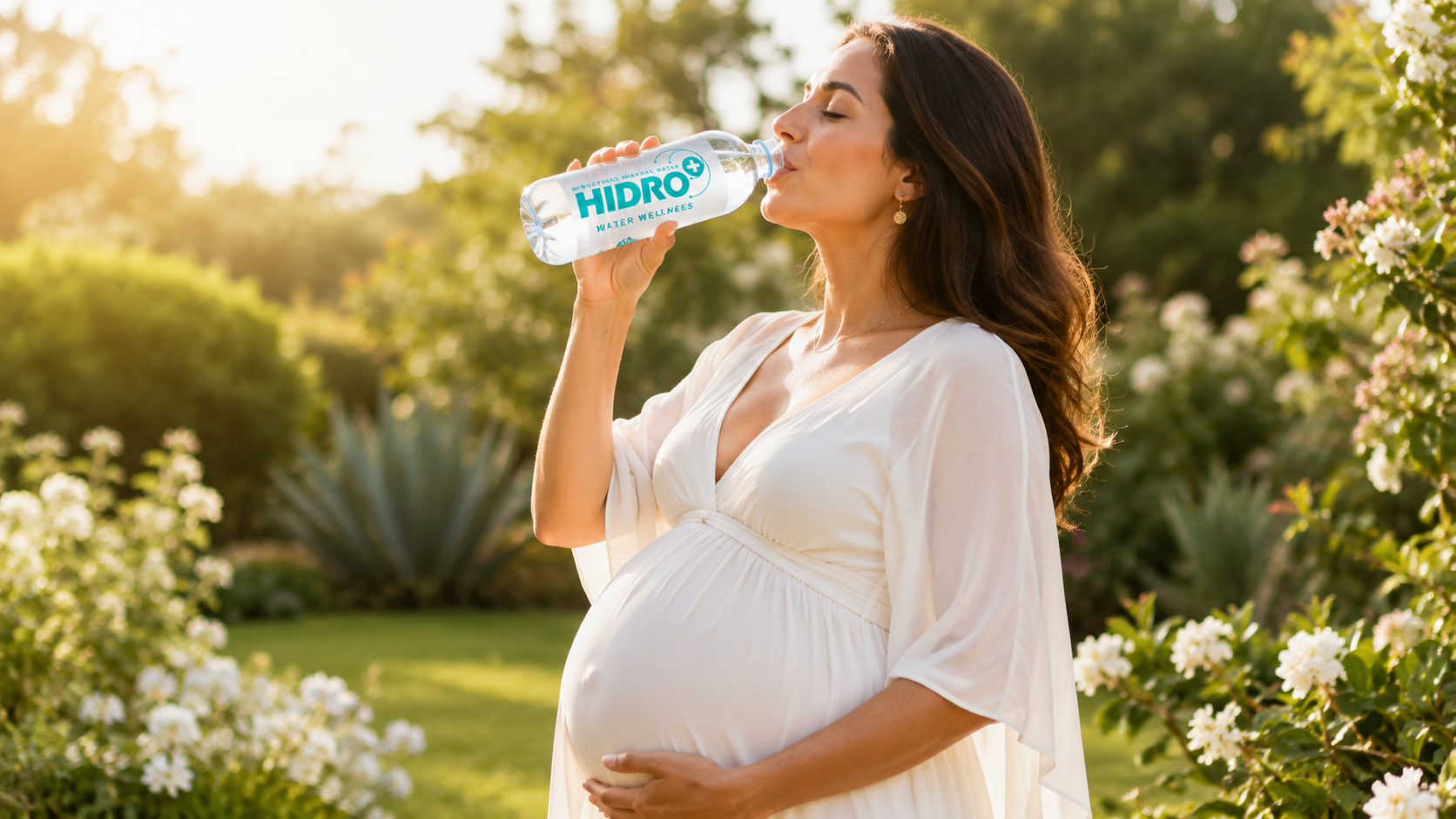
Pregnancy and breastfeeding place additional demands on a woman’s body. During these stages, maintaining a regular fluid intake supports everyday hydration and helps the body perform its normal functions.
Here is what expectant and breastfeeding mothers should know about dehydration, fluid requirements and practical ways to make drinking water easier.
Why Fluid Requirements Increase During Pregnancy
During pregnancy, the body undergoes several important changes. Blood volume increases, amniotic fluid surrounds and protects the developing baby, and additional nutrients and fluids are required to support normal growth and cell development.
These changes can increase a woman’s daily fluid requirements, particularly during warm weather, physical activity or periods of illness.
Drinking water regularly throughout the day is therefore an important part of supporting overall maternal wellbeing.
Why Dehydration Should Be Taken Seriously
Dehydration occurs when the body loses more fluid than it takes in. Mild dehydration may cause symptoms such as thirst, fatigue, headaches, dizziness, dry mouth or darker urine.
During pregnancy and breastfeeding, it is particularly important to pay attention to these signs because the body is already working harder and using more fluid than usual.
Severe or persistent dehydration should not be ignored. A healthcare professional should be consulted when a pregnant or breastfeeding mother cannot keep fluids down, feels unusually weak or dizzy, or is concerned about her hydration.
Morning Sickness and Fluid Loss
Morning sickness can make it difficult to drink enough water, especially when nausea is accompanied by vomiting.
Fluid loss from repeated vomiting may increase the risk of dehydration. At the same time, nausea may make the taste or smell of plain water less appealing.
Instead of trying to drink a large amount at once, it may be easier to take small, regular sips throughout the day. Chilled water, ice chips or lightly flavoured water may also be more comfortable for some women.
Hydration During the First Trimester
The first trimester is a period of rapid development and significant hormonal change.
Although fluid needs vary from one person to another, maintaining a steady intake of water supports normal circulation, digestion and the body’s broader hydration needs.
Women experiencing prolonged vomiting or difficulty retaining fluids should speak to their doctor or maternity-care provider, as additional support may be necessary.
Hydration During the Second and Third Trimesters
As pregnancy progresses, the body continues to adapt to the growing baby. Fluid requirements may increase further, particularly during hot weather or when the mother remains physically active.
Dehydration may contribute to discomfort such as fatigue, headaches, muscle cramps or a general feeling of weakness. Some women may also notice that inadequate fluid intake appears to coincide with increased uterine tightening or Braxton Hicks contractions.
Regular hydration, rest and careful attention to the body’s signals can help support greater comfort during the later stages of pregnancy.
Hydration During Breastfeeding
Breast milk contains a substantial amount of water, which means that breastfeeding naturally increases the mother’s fluid use.
Breastfeeding mothers do not necessarily need to force themselves to drink excessive quantities of water. A practical approach is to drink regularly, respond to thirst and keep water nearby during feeds.
Hidro+ encourages mothers to make clean, pleasant-tasting water part of their daily routine. Structured alkaline mineral water may be enjoyed as one hydration option alongside a balanced diet and appropriate medical care.
How Do You Know Whether You Are Drinking Enough Water?
There is no single quantity that is suitable for every woman. Fluid needs can be influenced by body size, activity level, climate, diet, health and the stage of pregnancy or breastfeeding.
A commonly used general guideline is approximately eight to ten glasses of water per day, although some women may require more and others less.
Monitor Your Daily Intake
Keeping a bottle or jug of water nearby can make it easier to drink consistently. Some people also find it helpful to keep a simple daily record of their water intake.
The aim is not to drink a large volume all at once, but to spread fluid intake throughout the day.
Pay Attention to Urine Colour
Urine colour can provide a general indication of hydration.
Pale-yellow urine usually suggests that fluid intake is adequate. Darker urine may indicate that the body requires more fluid, although certain foods, supplements and medications can also affect urine colour.
Persistent dark urine, pain, discomfort or other unusual symptoms should be discussed with a healthcare professional.
Making Water Easier to Drink
Plain water remains one of the simplest ways to support hydration. However, nausea, taste changes or personal preferences can sometimes make it difficult to drink enough.
Adding fruit, herbs or mild natural flavours may make water more enjoyable without relying heavily on sugary or artificially flavoured drinks.
Tea and coffee can still form part of a balanced lifestyle, but pregnant women should follow professional guidance regarding caffeine intake.
How to Prepare Naturally Flavoured Water
Fill a clean jug with filtered or mineral water and add washed slices of fruit, herbs or other preferred ingredients.
Allow the ingredients to infuse in the refrigerator for a few hours or overnight. Keep the water chilled and consume it within a reasonable period to maintain freshness.
These combinations are intended primarily to add flavour and variety. They should be enjoyed as refreshing hydration options rather than as treatments for medical conditions.
Naturally Flavoured Water Ideas
Pineapple and Mint
Pineapple adds a naturally sweet tropical flavour, while mint provides a clean and refreshing finish.
This combination may be particularly enjoyable for people who prefer a light, cooling drink.
Cherries and Lime
Cherries provide a gentle sweetness, balanced by the sharper citrus flavour of lime.
It is a vibrant alternative for those who find plain water difficult to enjoy.
Watermelon and Rosemary
Watermelon creates a light and naturally refreshing base, while rosemary adds a subtle herbal aroma.
This combination is particularly pleasant during warm weather.
Orange, Pineapple and Ginger
Orange and pineapple provide fresh citrus and tropical flavours, while a small amount of ginger adds warmth and depth.
Some women find ginger-flavoured drinks pleasant during periods of mild nausea, although individual responses may differ.
Celery, Lime and Grapes
This combination balances the crispness of celery, the acidity of lime and the natural sweetness of grapes.
It offers a more complex flavour for those who enjoy less traditional infused-water combinations.
Rose Water and Mint
A small quantity of food-grade rose water can provide a delicate floral flavour, while mint adds freshness.
Only rose water clearly labelled as suitable for consumption should be used.
Pear, Ginger, Vanilla and Cinnamon
Pear provides mild sweetness, while ginger, vanilla and cinnamon create a warm and aromatic flavour profile.
Only small amounts of the stronger ingredients are needed.
Melon and Cucumber
Melon and cucumber create a light, clean and refreshing drink that is well suited to warm days.
This is a gentle option for women who prefer subtle flavours.
Orange, Chia Seeds and Cinnamon
Orange adds freshness, while cinnamon provides a mild spiced flavour. Chia seeds may also be added for texture.
Because chia seeds absorb water and expand, the drink should be allowed to stand before consumption and stirred well.
Make Hydration Part of Your Daily Routine
Healthy hydration does not need to be complicated. Keeping water visible, drinking at regular intervals and choosing flavours you enjoy can make it easier to maintain a consistent routine.
During pregnancy and breastfeeding, water should form part of a broader approach that includes a balanced diet, sufficient rest and appropriate professional healthcare.
Hidro+ structured mineral water offers families a clean and refreshing option for making quality water part of everyday life.
